International trade amount of SSM (sunflower seed meal), which is one of the significant feed ingredients in global trade, has exceeded 6.8 million tons on an annual basis. Turkey is expected to import over 1 million tons of sunflower meal in 2020.
 Çağlar SEVİNÇ
Doctor of Veterinary Medicine
Seka Global
Sunflower (Helianthus annuus) is a low-acid, yellowish-colored oil plant with a big yellow flower from the Chamomile (Asteraceae) family which is grown for its seeds and oil. Sunflower is one of the most important oil plants of today thanks to its 65-70 percent oil content. One of the most prominent raw materials used in animal husbandry and compound feed industry is the by-products oil seeds processed in the oil industry, in other words, oil meals.
Oil meal is an indispensable part of compound feed production and is used for enriching feed in terms of energy and especially in terms of quantity and quality (mainly as a protein source) in pellet feed production.
After the oil of the oil meal is extracted generally degreased in the world, there are three methods of processing for obtaining oil meals that are rich in protein, which are:
• 1. Hydraulic press (ordinary press method)
• 2. Continuous press (Expeller method), and
• 3. Solvent extraction method.
The hydraulic press method requires much workforce and all of the oil cannot be obtained. For this reason, it is not a very effective method.
In the Continuous Press Method, the raw material is cleaned, crushed, dried (the humidity is reduced to 2% in 8 minutes) respectively and then (the temperature rises from 30°C to 130°C) is softened for 10-15 minutes at 130°C in the steam expeller softening container. The oil is separated by exposure to 140-150°C heat by spiral rotation and pressure with the expeller barrel, that is, through screw pressing process. The oil meal molds obtained are cooled and ground as the last process (with 4-5% oil).
Getting the oil with solvent extraction method: For oilseeds containing more than 15% oil, for example sunflower, first pre-pressing is applied, the amount of oil is reduced to 10-12% and then solvent extraction (Pre-press solvent extract) is implemented. The raw material respectively undergoes cleaning, crushing, grinding, heating (10 minutes at 60°C), layering with crushing rollers, cooling down to 45°C, extraction with oil solvents in extraction towers, heating at 97°C for 10 minutes (the solvent is removed), roasting at 104°C for 90 minutes, then cooling (from 104°C down to 38°C) and the process ends with grinding.
In general, different production processes of the oil seeds can change the amount of oil in its content. Therefore, if we need to say the factors affecting the nutritional value of the oil seed; as the temperature during the production rises, the breakdown of amino acids will also be high. The degree of evaluation of proteins will also naturally decrease. In other words, as the heating time gets longer, protein loss will occur. In terms of animal nutrition, the oil left in the meal, energy source - excess oil, can cause oxidation and bitterness. The oil that went bitter may cause a poisonous effect. It leads to the breakdown of vitamins A, D, and E and biotin. Since linoleic acid is oxidized deficiencies of unsaturated oil acids are observed. Various digestive disorders occur in animals. Due to the spoiled and unpleasant smell, animal feed does not want to eat, and feed consumption decreases. The quality of products such as fat, eggs, meat, and milk deteriorates. The general characteristics of the oil meals are 95% of nitrogen, real protein - the digestibility of protein, high biological value, poor in calcium, rich in phosphorus, potassium, and magnesium.
WHAT IS SUNFLOWER SEED MEALAND HOW IS IT USED?
SSM (Sunflower Seed Meal), which is one of the most produced oil meal in our country, is a by-product of the oil extraction process from sunflower seeds. In terms of production, it is the fourth most important oil meal following soy meal, rapeseed oil meal, and cottonseed oil meal. Sunflower seed meal is widely used in our country; It is obtained by grinding the remaining product (Pulp) after removing the oil from all sunflower seeds with the Continuous Press Method (expeller method) and Solvent Extraction method. The production methods of sunflower meal have important effects on the amount and quality of the nutrients in the oil meal. The biggest factor affecting the feed value of the sunflower meal is the amount of shell contained in the product. As it is known, the shell ratio has an important place in seeds. When the oil is extracted from the seed, the shell is completely peeled and separated or partially separated or processed with its shell. The production process method affects the amount of nutrients in the sunflower meal. If processed by exposure to very high temperatures, the amount of protein and various amino acids may decrease. Since Sunflower Seed Meal (SSM) is rich in amino acids containing sulfur, it has to enter the ration with a limited amount unless it is used with other protein sources or with synthetic amino acids, which are lysine and threonine.

Since the degree of digestion and feed value of the shell is very low, the value of the oil meal obtained varies in proportion to the shell ratio it contains. As the amount of shell in sunflower meal increases, this time the amount of crude cellulose will be proportionally high. The degree of digestion of nutrients will decrease as well.
In this frame, there are two types of sunflower meal in the market.
One of them is oil meals mixed with shells. They contain 2-3% oil, have a low level of crude protein yet a high level of crude cellulose instead due to the high rate of shells in the content. They may not be distinguished from the real extraction oil meals at first glance. When looked carefully, they can be easily recognized by forming small lumps and containing their structure intact shell. The nutrient value of oil meals obtained from the unshelled seeds is low. HP 22-42% - Lysine value is low and protein bioavailability is at medium levels.
If deshelling didn't occur at all, the protein rate of expeller sunflower meal decreases down to 15%, while the cellulose ratio can increase up to 38%. The phosphorus ratio of the oil meals with a high shell rate also decreases.
Another type of oil meal is the meal with a low shell rate. In general, solvent extraction results in a lower level of oil content, while at the same time deshelling reduces fiber content, resulting in a richer protein feed.
In this type of oil meal, the oil rate does not exceed 1.5%, and the protein rate is much higher than the one containing shell.
The sunflower seed meal with a low rate of shell; it is more richin thionic amino acids compared to the other oil seeds.
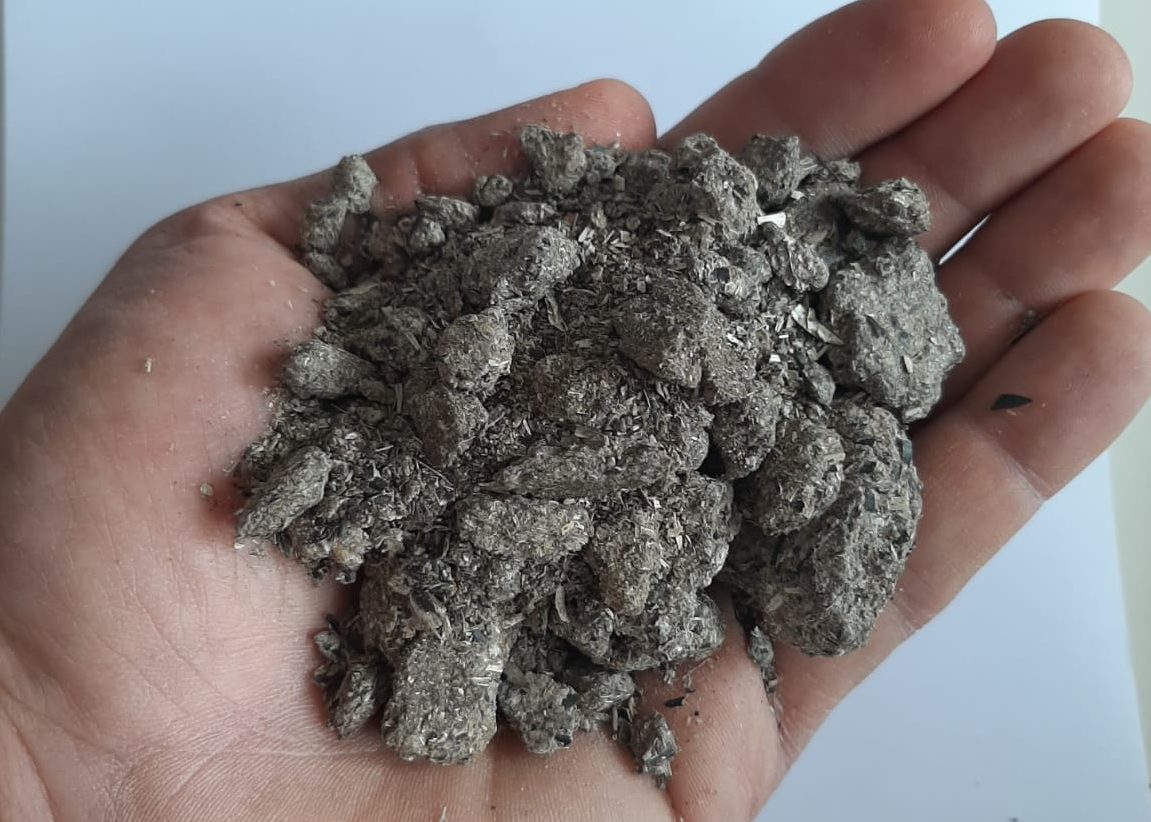
On top of high protein and amino acids, it is a source of vitamins E and B, phosphate, fiber and potassium. In the process of extracting the color of sunflower meal (the color of oil meals containing less shell is lighter), may turn from gray to black depending on the shell rate during the extraction process.
The metabolizable energy range in sunflower meal (ME) kJ: for poultry 1900-2300 kcal/kg and for ruminants 2300-2700 kcal/kg.
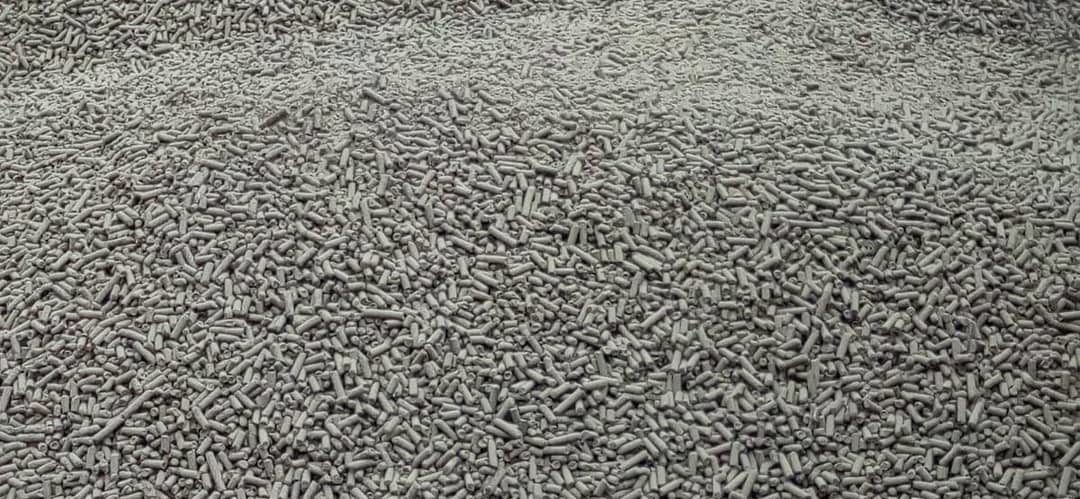
In the market, there are full decorticated feeds (high protein, low fiber), partially decorticated feeds, and decorticated feeds (low protein, high fiber) with no clear separation between these classes. Protein meal, such as fish meal, sunflower meal or soy meal, are generally classified and sold according to their protein content, such as "28", "36", "46", etc. protein levels.
Sunflower meal is gladly consumed by all animals with its pleasant taste and smell. Sunflower meal is rich in phosphorus and iron. Other minerals are in medium condition. To date, no toxic substance that may prevent the development and growth of animals has been found in its content.
Sunflower seed meal is a complement to the nutrient profile soybean meal, and can create an effective combination in dairy and feeder cattle rations.
POULTRY AND FISH PRODUCTION AND BREEDING
It is reported that sunflower meal has a positive effect on egg yield in layer hens. 15-20% of the crude protein of broiler mixes and 30-35% of laying hens can be easily obtained from sunflower seed.
High-protein and low-fiber sunflower meal is used in poultry feed, but generally partly instead of soybean meal. Lysine supplements should be made in chicken diets with more than five percent sunflower meal. Threonine is a second limiting amino acid for broiler chickens and laying hens.
The maximum amount of sunflower meal that can be included in the diets of broiler chickens seems to be possible as 15% in each puree diet and 30% in pellet diets; higher amounts may negatively affect its performance.
Although a sufficient amount of additional lysine is included, the sunflower meal in the feed of layer hens can be 100% used instead of complementary proteins (including soy meal).
Although it has less protein than soybean meal, sunflower meal is known as a valuable animal feed for poultry and fish pro
duction, especially as long as certain conditions are provided for ruminants and rabbits. Sunflower meal having excessive shells is not used in poultry rations. Using sunflower meal having excessive shells in laying hen rations creates a stain on the eggshell (due to the chlorogenic acid in its content).
In the preparation of fish feeds, fish flour is used mainly as a high protein source due to its balanced amino acid content. However, the increasing price of fish flour and the uncertainty in its derivation make it compulsory to use cheaper and easily available vegetable protein sources in fish production rations.
The addition of oilseeds to animal feeds is advantageous despite the anti-nutrients they contain, as they are low-priced compared to fish flour and easy to obtain. Sunflower seed meal is the primary source of vegetable protein used in fish feed and feed of fish farms following soy in recent years.
CATTLE
Like milk feeds, sunflower meal can be fully sufficient as the sole source of complementary protein in cattle rations. Sunflower meal was compared to urea, soybeans and cotton meal in their studies on cattle. It turned out that sunflower meal is equivalent to soybean meal for growing heifers.
It has been determined that 31% protein sunflower meal is suitable as urea when the proportion of recycled feed reaches 20% and is suitable when up to 11 percent flaxseed is fed. It is observed that the animals that were fed with 22% sunflower meal have shown an increase in dry matter as well as crude protein digestibility and high nitrogen retention.
Limited studies have shown that the weight gain in cattle is lower when fed with 28% deshelled sunflower protein meals instead of 41% sunflower protein meals. This gap was found to be higher in barley compared to corn.
MILK COWS
Sunflower meal is an excellent feed source for milk feeds with its oil-rich content. It adds oil to most modern dairy feeds in the diets of lactant cows. The high oil content in the sunflower meal partly or wholly eliminates the need for oil supplements.
Sunflower meal is also used in the feed of young calves and growing heifers. Weight gain and feed consumption is close to each other for calves and heifers fed with sunflower meal or soybean meal. In digestion experiments, protein digestibility was found to be (79%) same in both rations, but energy digestibility was slightly less in sunflower meal rations (73%).
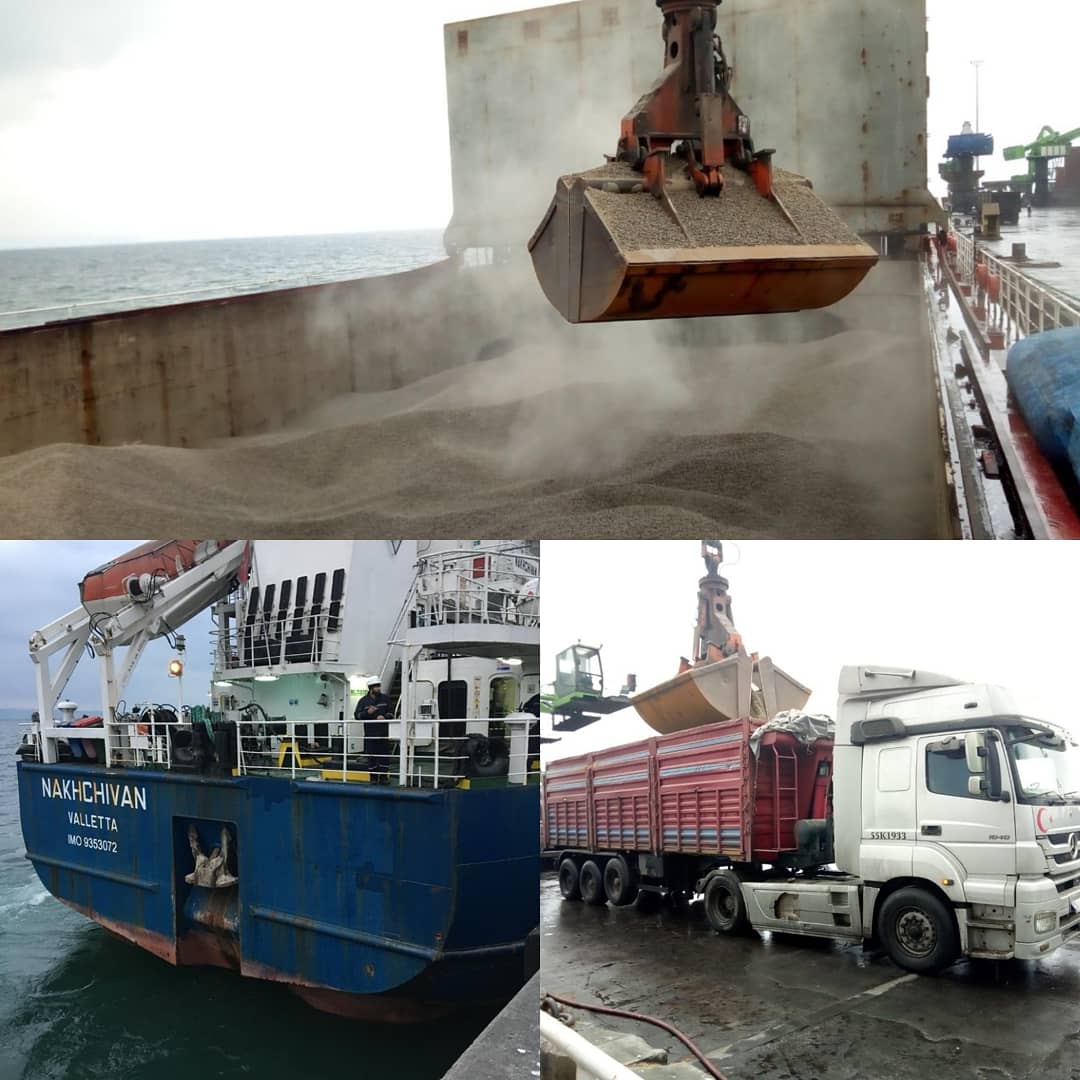
International trade amount of SSM (sunflower seed meal), which is one of the significant feed ingredients in global trade, has exceeded 6.8 million tons on an annual basis. Turkey is expected to import over 1 million tons of sunflower meal in 2020.